
In an era that demands sustainability and efficiency, waste management is undergoing a significant transformation, with garbage bag manufacturing machines taking center stage. As urban populations continue to swell and environmental concerns escalate, the need for innovative waste disposal solutions has never been more critical. These advanced machines are not just speedily producing garbage bags; they are revolutionizing the way we approach waste management by minimizing plastic waste and enhancing recycling efforts. As industries and municipalities recognize the advantages of local production, the market for these machines is expanding rapidly. From reducing transport emissions to lowering production costs, the implications are profound. Join us as we delve into how garbage bag manufacturing machines are reshaping the waste management landscape, paving the way for a cleaner, greener future while offering businesses an opportunity to boost their efficiency and sustainability initiatives. The rise of this technology marks a pivotal moment in our global quest for a more sustainable environment.
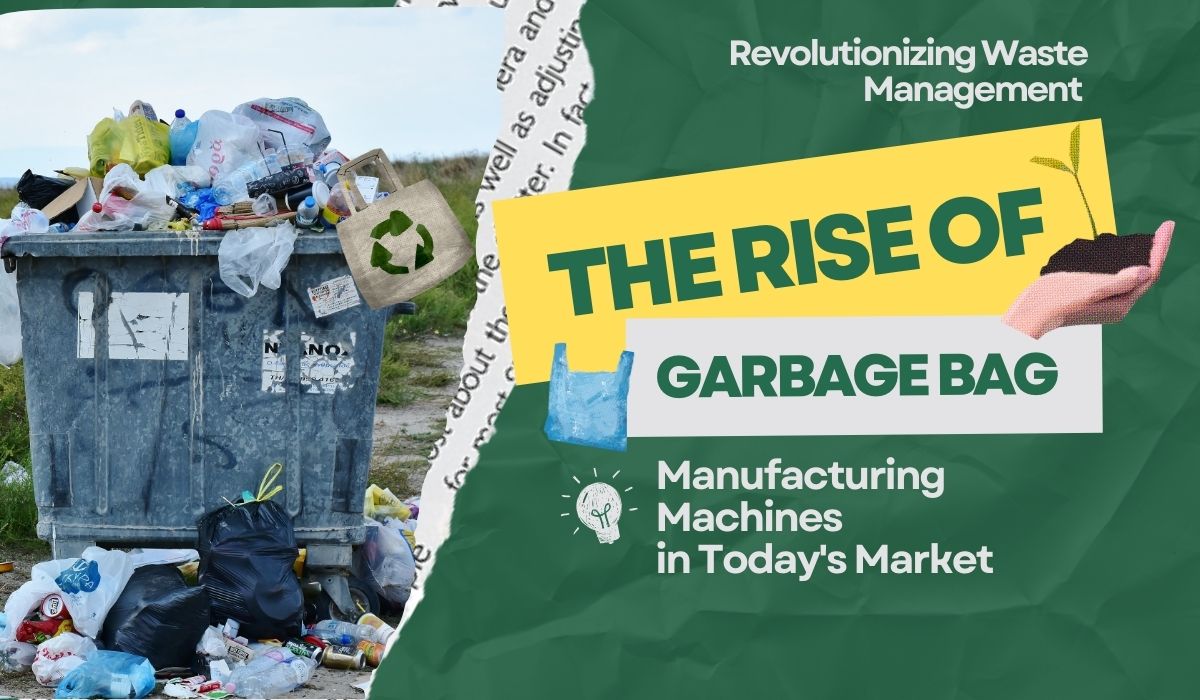
Revolutionizing Waste Management: The Rise of Garbage Bag Manufacturing Machines in Today’s Market
In an era that demands sustainability and efficiency, waste management is undergoing a significant transformation, with garbage bag manufacturing machines taking center stage. As urban populations continue to swell and environmental concerns escalate, the need for innovative waste disposal solutions has never been more critical. These advanced machines are not just speedily producing garbage bags; they are revolutionizing the way we approach waste management by minimizing plastic waste and enhancing recycling efforts. As industries and municipalities recognize the advantages of local production, the market for these machines is expanding rapidly. From reducing transport emissions to lowering production costs, the implications are profound. Join us as we delve into how garbage bag manufacturing machines are reshaping the waste management landscape, paving the way for a cleaner, greener future while offering businesses an opportunity to boost their efficiency and sustainability initiatives. The rise of this technology marks a pivotal moment in our global quest for a more sustainable environment.
The Evolution of Garbage Bag Manufacturing
Garbage bags, as we know them today, have come a long way from their humble beginnings. Initially, waste was disposed of in makeshift containers or simply discarded in open dumps, causing numerous environmental and health issues. The advent of the garbage bag in the mid-20th century marked a significant improvement in waste management practices. These early garbage bags were simple polyethylene sheets welded together, but they quickly became essential in urban waste disposal.
Over the decades, the design and production of garbage bags have evolved significantly. The introduction of automated manufacturing processes in the late 20th century revolutionized the industry. These advancements allowed for mass production, improved quality, and reduced costs. The garbage bags became more durable, leak-proof, and available in various sizes and strengths, catering to different waste disposal needs.
In recent years, the focus has shifted towards sustainability and environmental impact. The modern garbage bag manufacturing industry is now heavily invested in developing eco-friendly materials and processes. The rise of biodegradable and compostable garbage bags is a testament to this shift. Additionally, the integration of smart technologies in manufacturing machines has further enhanced production efficiency and quality control, marking a new era in garbage bag manufacturing.
Key Features of Modern Garbage Bag Manufacturing Machines
Modern garbage bag manufacturing machines are marvels of engineering and technology. One of the key features of these machines is automation. Automated systems manage the entire production process, from feeding raw materials to cutting and sealing the final product. This level of automation ensures high production rates, consistent quality, and minimal human intervention, significantly reducing labor costs and human error.
Another significant feature is the versatility of these machines. They are designed to produce a wide range of garbage bags, including standard, heavy-duty, and biodegradable bags. This flexibility allows manufacturers to cater to diverse market demands and quickly adapt to changing consumer preferences. Additionally, many of these machines come with advanced control systems that enable precise adjustments to bag dimensions, thickness, and other specifications.
Energy efficiency is also a critical aspect of modern garbage bag manufacturing machines. These machines are equipped with energy-saving technologies, such as variable frequency drives and high-efficiency motors, which reduce energy consumption and operational costs. Moreover, the latest machines incorporate recycling systems that minimize material waste during production. This not only boosts sustainability but also enhances profitability by maximizing the use of raw materials.
Advantages of Using Automated Manufacturing Processes
The adoption of automated manufacturing processes in garbage bag production offers numerous advantages. One of the most significant benefits is the increase in production efficiency. Automated machines can operate continuously with minimal downtime, resulting in higher output rates compared to manual production methods. This increased efficiency enables manufacturers to meet growing market demands and reduce lead times.
Consistency and quality control are other critical advantages. Automated systems ensure that every garbage bag produced meets the specified standards and quality requirements. This consistency is crucial for maintaining customer satisfaction and brand reputation. Advanced sensors and monitoring systems can detect and correct any deviations in real-time, further enhancing product quality and reducing waste.
Cost reduction is another key benefit of automation. Automated manufacturing processes reduce labor costs by minimizing the need for manual intervention. Additionally, the precision and efficiency of these machines lead to lower material waste and energy consumption, further reducing production costs. These cost savings can be passed on to consumers, making eco-friendly garbage bags more affordable and accessible.
Environmental Impact of Garbage Bag Production
The environmental impact of garbage bag production has been a topic of concern for many years. Traditional plastic garbage bags are derived from petroleum-based materials, which are non-renewable and contribute to pollution and greenhouse gas emissions. Furthermore, plastic bags take hundreds of years to decompose, leading to long-term environmental damage.
In response to these concerns, the garbage bag manufacturing industry has been making significant strides towards sustainability. One of the most notable advancements is the development of biodegradable and compostable garbage bags. These bags are made from renewable resources, such as plant-based materials, and decompose much faster than traditional plastic bags. This reduces their environmental footprint and helps mitigate the problem of plastic pollution.
Recycling is another critical aspect of reducing the environmental impact of garbage bag production. Many modern manufacturing machines are designed to incorporate recycled plastic materials into their production processes. This not only reduces the demand for virgin plastic but also diverts plastic waste from landfills and the environment. Additionally, the use of energy-efficient technologies in manufacturing machines helps reduce greenhouse gas emissions and overall energy consumption.
Innovations in Materials for Garbage Bags
The quest for more sustainable and eco-friendly garbage bags has led to significant innovations in materials. One of the most promising developments is the use of biodegradable polymers. These materials, derived from natural sources such as cornstarch, potato starch, and vegetable oils, break down much faster than traditional plastics. Biodegradable garbage bags are designed to decompose under specific environmental conditions, leaving behind minimal residues.
Compostable materials are another exciting innovation. Unlike biodegradable plastics, which break down into smaller plastic particles, compostable materials decompose entirely into organic matter, enriching the soil. These materials meet strict standards for compostability and are often certified by organizations such as the Biodegradable Products Institute (BPI). Compostable garbage bags are particularly beneficial for organic waste disposal, as they can be composted along with food and garden waste.
Recycled plastics are also playing a crucial role in the evolution of garbage bag materials. Advances in recycling technologies have made it possible to produce high-quality garbage bags from post-consumer plastic waste. These recycled materials reduce the reliance on virgin plastics and help close the loop in the plastic lifecycle. Additionally, the development of multi-layer films, which combine different materials to enhance strength and durability, has further improved the performance of garbage bags.
The Role of Technology in Waste Management Solutions
Technology is playing an increasingly important role in waste management solutions, transforming how garbage bags are produced, used, and disposed of. One of the key technological advancements is the integration of Internet of Things (IoT) devices in waste management systems. IoT-enabled garbage bags and bins can monitor fill levels, optimize collection routes, and provide real-time data on waste generation patterns. This information can help municipalities and waste management companies improve efficiency and reduce operational costs.
Artificial intelligence (AI) and machine learning are also making significant contributions to waste management. AI algorithms can analyze data from IoT devices to predict waste generation trends, optimize collection schedules, and identify areas for improvement. Machine learning models can also be used to enhance the sorting and recycling processes, increasing the recovery rates of valuable materials and reducing contamination.
Another technological innovation is the development of intelligent manufacturing systems. These systems use advanced sensors, robotics, and automation to optimize the production of garbage bags. Smart manufacturing can improve quality control, reduce material waste, and increase production efficiency. Additionally, the use of digital twins—virtual replicas of physical manufacturing processes—allows manufacturers to simulate and optimize production processes before implementing them in the real world.
Market Trends and Growth Opportunities in the Garbage Bag Industry
The garbage bag industry is witnessing several key market trends and growth opportunities. One of the most significant trends is the increasing demand for eco-friendly and sustainable products. Consumers and businesses are becoming more environmentally conscious, driving the demand for biodegradable, compostable, and recycled garbage bags. This trend is expected to continue, creating growth opportunities for manufacturers that can produce high-quality, sustainable products.
Another important trend is the rise of local production. As transportation costs and environmental concerns increase, more companies are investing in local manufacturing facilities. Garbage bag manufacturing machines that can be easily installed and operated locally are becoming increasingly popular. Local production reduces transportation emissions, shortens supply chains, and provides greater control over quality and production processes.
Technological advancements are also creating new opportunities in the garbage bag industry. The adoption of intelligent manufacturing systems, IoT devices, and AI-driven waste management solutions can significantly improve efficiency, reduce costs, and enhance product quality. Companies that invest in these technologies can gain a competitive edge and capitalize on emerging market opportunities.
Case Studies: Successful Implementations of Manufacturing Machines
To illustrate the impact of modern garbage bag manufacturing machines, let’s look at a few case studies of successful implementations. One notable example is a large waste management company in Europe that invested in state-of-the-art manufacturing machines to produce biodegradable garbage bags. The company’s decision was driven by increasing consumer demand for sustainable products and stricter environmental regulations. The new machines allowed the company to produce high-quality biodegradable bags with minimal material waste and energy consumption. As a result, the company not only met regulatory requirements but also gained a competitive edge in the market.
Another example is a municipality in Asia that implemented innovative manufacturing systems to produce garbage bags locally. The city faced challenges with high transportation costs and long lead times for imported garbage bags. By investing in modern manufacturing machines, the city was able to produce garbage bags locally, reducing transportation emissions and costs. The new machines also enabled the production of customized garbage bags for different waste streams, improving waste segregation and recycling rates.
A third case study involves a North American company that integrated IoT and AI technologies into its waste management operations. The company installed IoT-enabled garbage bins and manufacturing machines to monitor waste generation and optimize production processes. AI algorithms analyzed the data to predict waste generation trends, allowing the company to adjust production schedules and reduce material waste. The result was a more efficient and sustainable waste management system that reduced costs and improved service quality.
Conclusion: The Future of Waste Management and Manufacturing Technology
The rise of garbage bag manufacturing machines is revolutionizing the waste management landscape, offering new opportunities for efficiency, sustainability, and innovation. These advanced machines are not only improving the production of garbage bags but also contributing to broader waste management solutions. As technology continues to evolve, we can expect even greater advancements in materials, manufacturing processes, and waste management systems.
The ongoing quest for sustainability and efficiency will shape the future of waste management. The adoption of eco-friendly materials, smart manufacturing systems, and IoT-enabled waste management solutions will play a crucial role in achieving these goals. Companies and municipalities that embrace these technologies will be better positioned to meet regulatory requirements, reduce environmental impact, and capitalize on emerging market opportunities.
In conclusion, garbage bag manufacturing machines are paving the way for a cleaner, greener future. Their impact extends beyond the production of garbage bags, influencing the entire waste management ecosystem. As we continue to seek innovative solutions to our waste disposal challenges, these machines will remain at the forefront, driving progress and sustainability in the waste management industry.









Leave A Comment